
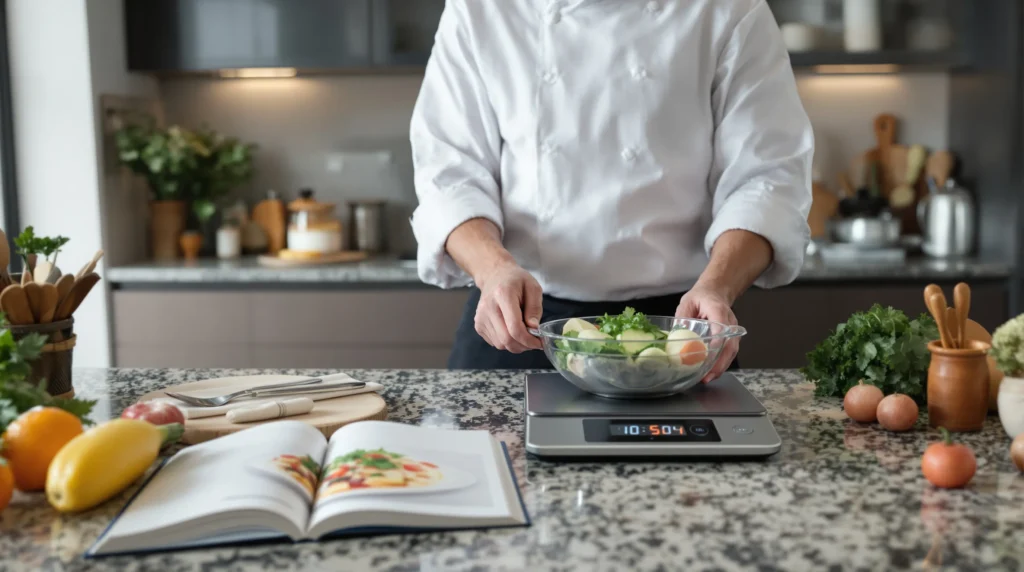
Picture this: You’re standing in your kitchen, chicken breast in one hand, food scale in the other, and a recipe open on your phone. The question hits—should you weigh food before or after cooking? If you’ve ever tried to track your macros, count calories, or just get a handle on portion sizes, you’ve probably wrestled with this. The answer isn’t as obvious as it seems, and getting it wrong can throw off your nutrition goals by hundreds of calories a day.
Why the Timing of Weighing Food Matters
Let’s get straight to it. The main reason you need to decide whether to weigh food before or after cooking is because cooking changes food’s weight. Water evaporates, fat renders, and sometimes food soaks up liquid. If you weigh chicken raw, it’ll be heavier than after you grill it. The same goes for rice, but in reverse—cooked rice weighs more than dry rice because it absorbs water. Here’s why this matters: if you log the cooked weight but use nutrition info for raw food, your calorie count will be off. That can mean slower progress, frustration, and a lot of “why isn’t this working?” moments.
Should You Weigh Food Before or After Cooking?
Here’s the part nobody tells you: there’s no universal rule, but there is a best practice. For the most accurate tracking, you should weigh food before cooking. Most nutrition labels and databases (like USDA or MyFitnessPal) list values for raw food. If you weigh your chicken breast raw, then cook it, you’ll match the label’s numbers. If you weigh it after, you’ll need to find the nutrition info for cooked chicken, which can vary based on how you cook it and how much moisture is lost.
Why Raw Weighing Works Best
- Consistency: Raw weights are less variable. Cooking methods—grilling, boiling, roasting—change water content and fat loss.
- Label Accuracy: Most food labels use raw weights. If you weigh after cooking, you’re guessing how much water or fat was lost.
- Less Math: Weighing raw means you don’t have to convert or hunt for cooked nutrition data.
If you’re serious about tracking, weighing food before cooking is the way to go. But let’s be real—sometimes life gets in the way. Maybe you forgot, or you’re eating leftovers. Don’t panic. There are ways to estimate cooked weights, but they’re less precise.
What About Foods That Change Weight Dramatically?
Let’s break it down with some specifics. If you’ve ever cooked pasta, you know a cup of dry noodles turns into a mountain of spaghetti. Rice, oats, and beans all soak up water and expand. On the flip side, meats and veggies lose water and shrink. Here’s a quick cheat sheet:
- Meat (chicken, beef, pork): Loses 25-30% of weight when cooked
- Rice: Triples in weight after cooking
- Pasta: Doubles or triples in weight
- Vegetables: Can lose up to 50% of weight when roasted
If you weigh food after cooking, you’ll need to use conversion factors. For example, if you cooked 100g of raw chicken and it’s now 70g cooked, you know your cooked portion is 70% of the raw weight. But this only works if you cooked it all at once and didn’t lose any bits to the pan or grill.
Real-Life Mistakes and Lessons Learned
I’ll admit it—I used to weigh my food after cooking, thinking it was easier. I’d grill a batch of chicken, weigh out 100g, and log it as 100g of chicken breast. My calorie counts were off by 20-30%. I couldn’t figure out why my progress stalled. Once I switched to weighing raw, things clicked. My portions matched the nutrition info, and I finally saw results. If you’ve ever felt stuck, this could be the missing piece.
What If You Forgot to Weigh Before Cooking?
Don’t worry, you’re not doomed. Here’s what you can do:
- Find the total raw weight of the batch you cooked (if you remember).
- Weigh the total cooked batch.
- Divide the cooked weight by the raw weight to get a conversion factor.
- Use that factor to estimate the raw weight of your portion.
Example: You cooked 500g raw chicken, and it’s now 350g cooked. Your conversion factor is 0.7. If you eat 70g cooked, that’s 100g raw (70 / 0.7). It’s not perfect, but it’s better than guessing.
Who Should Weigh Food Before Cooking?
If you’re tracking calories, macros, or following a specific diet, you should weigh food before cooking. This includes:
- People trying to lose or gain weight
- Athletes and bodybuilders
- Anyone with medical dietary needs
- People who love data and precision
If you’re just trying to eat a bit healthier and don’t care about exact numbers, you can be more relaxed. But if you want accuracy, raw is the way to go.
Tips for Easier Weighing and Tracking
- Prep and weigh food in batches—portion out raw chicken, rice, or veggies before cooking
- Use a digital food scale for accuracy
- Log your food right after weighing to avoid forgetting
- Save common foods and recipes in your tracking app
- If you eat out, estimate portions using visual cues (a deck of cards for 3-4 oz meat)
Here’s a trick: If you’re cooking for a family, weigh the total raw amount, cook it, then divide the cooked batch into equal portions. Each portion will have the same nutrition as the raw weight divided by the number of servings.
Final Thoughts: Should You Weigh Food Before or After Cooking?
If you want the most accurate nutrition tracking, you should weigh food before cooking. This matches the nutrition labels and keeps your calorie counts honest. Weighing after cooking can work in a pinch, but you’ll need to adjust for water loss or gain. If you’ve ever wondered why your tracking isn’t working, this could be the answer. Next time you’re in the kitchen, grab that scale before you fire up the stove. Your future self will thank you.